

As a solar and storage installer, you’ve probably heard them all. “I don’t lose power that often.” “I already have a generator.” “Can’t I just add this later?” “Is this really worth it?” Homeowner hesitation is normal. Battery storage is still a considered purchase, and most customers arrive with at least one misconception that slows them down. Knowing how to address these objections confidently, without being pushy, is one of the most valuable skills you can develop as a certified installer.
Here’s how to reframe the most common ones.
“I only need this for outages, and we barely lose power.”
This is the most common objection, and it undersells storage’s value before the conversation even starts. Shift the focus from frequency to impact. Ask: when was the last time the power went out, and what did it affect? For families with home offices, medical equipment, well pumps, security systems, or young kids, even one extended outage quickly changes the calculation.
Then expand the conversation beyond backup. A well-designed storage system helps homeowners use their own solar energy instead of exporting it back to the grid, reduce consumption during peak-rate periods, and protect against rate volatility. Backup is the headline, but daily energy management strengthens the return on investment story.
“I don’t have solar. Isn’t this only for solar homes?”
Solar plus storage is a powerful combination, but it is not required. A battery can be charged from the grid and still provide meaningful backup protection. If the homeowner is open to it, this is a good time to introduce solar as a companion. It is not required, but it can extend backup duration and improve long-term economics.
Lead with what they have. Design for what they need now, and architect the system to accommodate solar if they add it later.
“Will it power my whole house?”
This one needs a direct and honest answer, not a dodge. No single battery will power every appliance indefinitely, and promising that will cost you trust when reality doesn’t match expectations.
Instead, guide them through a load conversation. What matters most when the lights go out? For most households, that is refrigeration, lighting, Wi-Fi, phone charging, and maybe a medical device or sump pump. For others, HVAC is non-negotiable. The goal is not to power everything. It is to power the right things.
When you help a homeowner define their backup priorities, you are not limiting the system. You are designing it correctly. This approach builds confidence and leads to better outcomes for everyone.
“My generator does the same thing for less money.”
Respect the generator. Do not dismiss it. Generators have served many families well for a long time. But help them think through the full picture: fuel storage and availability during the moment they need it most (storms, wildfires, supply chain disruptions), noise and exhaust concerns, startup time, and ongoing maintenance.
Battery storage is automatic, silent, and does not require combustion on site. When paired with solar, it can recharge during the day even when the grid is down. For many homeowners, especially those in suburban or HOA-governed neighborhoods or those with young children or elderly family members, a battery system is simply a better daily experience, not just during emergencies.
Describe them as different tools, not direct competitors. Some larger or rural properties might benefit from both. This is a legitimate system design conversation, not a concession.
“These systems all seem the same to me.”
This is your opening. From the homeowner’s perspective, every battery looks like a box on a wall. Your job is to explain why design, scalability, compatibility, and integration matter, and why the installer behind the system matters just as much as the hardware.
Talk about how the system fits their specific electrical setup, how it integrates with their existing or planned solar, whether it can expand as their energy needs grow, and how it performs during an extended outage versus a short one. A homeowner who understands system design buys with confidence and refers their neighbors.
“This feels like overkill for our situation.”
Acknowledge it. Not every home needs maximum storage capacity on day one. A modular system designed around current priorities, with room to grow, is often the right answer. If you frame it as right-sized now and expandable later, you take the pressure off and become a trusted advisor rather than someone pushing the largest possible system.
The Bigger Point
Objections are not obstacles. They are information. Every hesitation a homeowner raises tells you what they value, what they worry about, and what they need to hear before they are ready to move forward.
Installers who close storage deals consistently are not the ones with the most aggressive pitch. They ask the best questions, listen carefully, and design systems that fit how the home works and how the family lives.
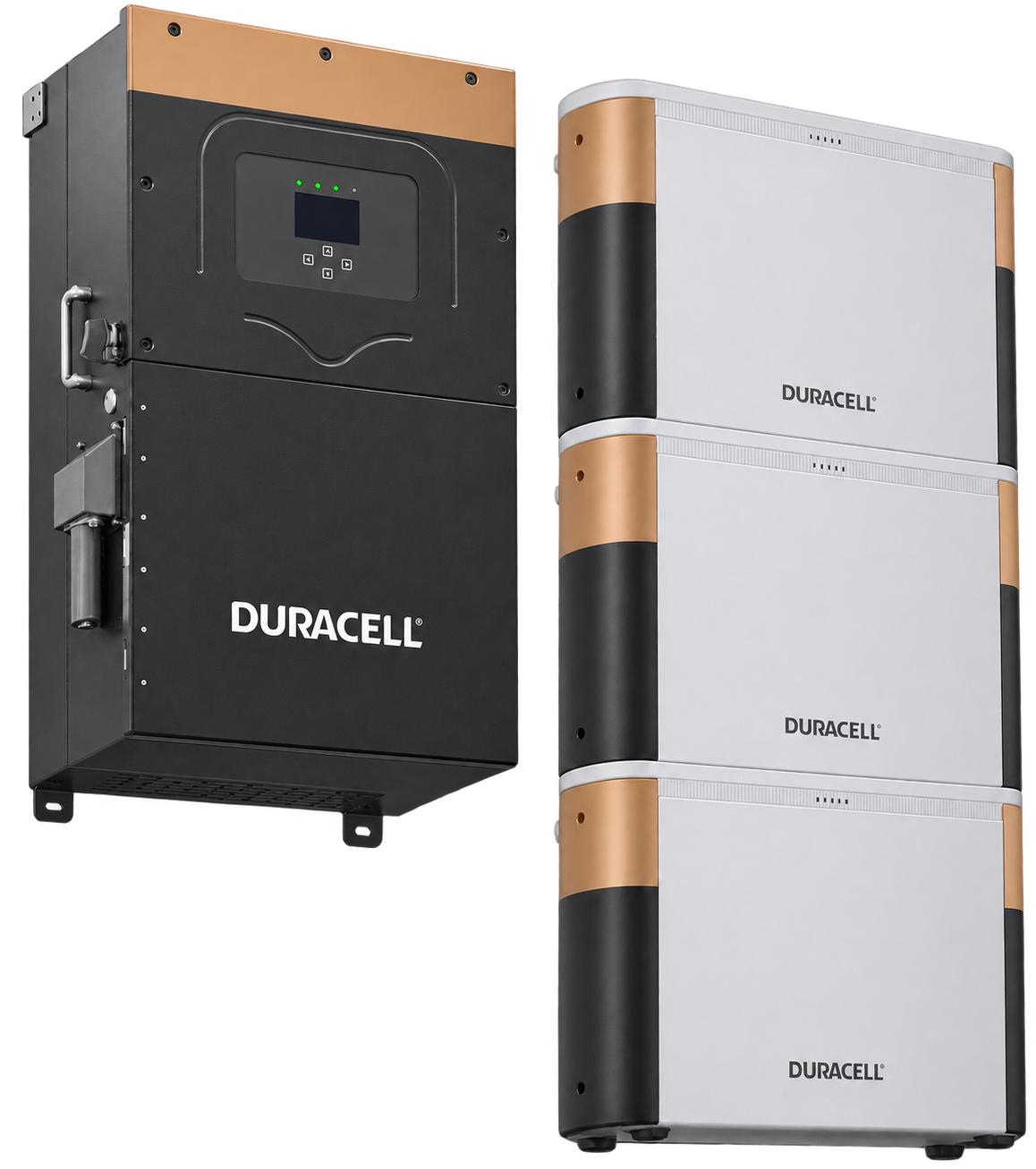
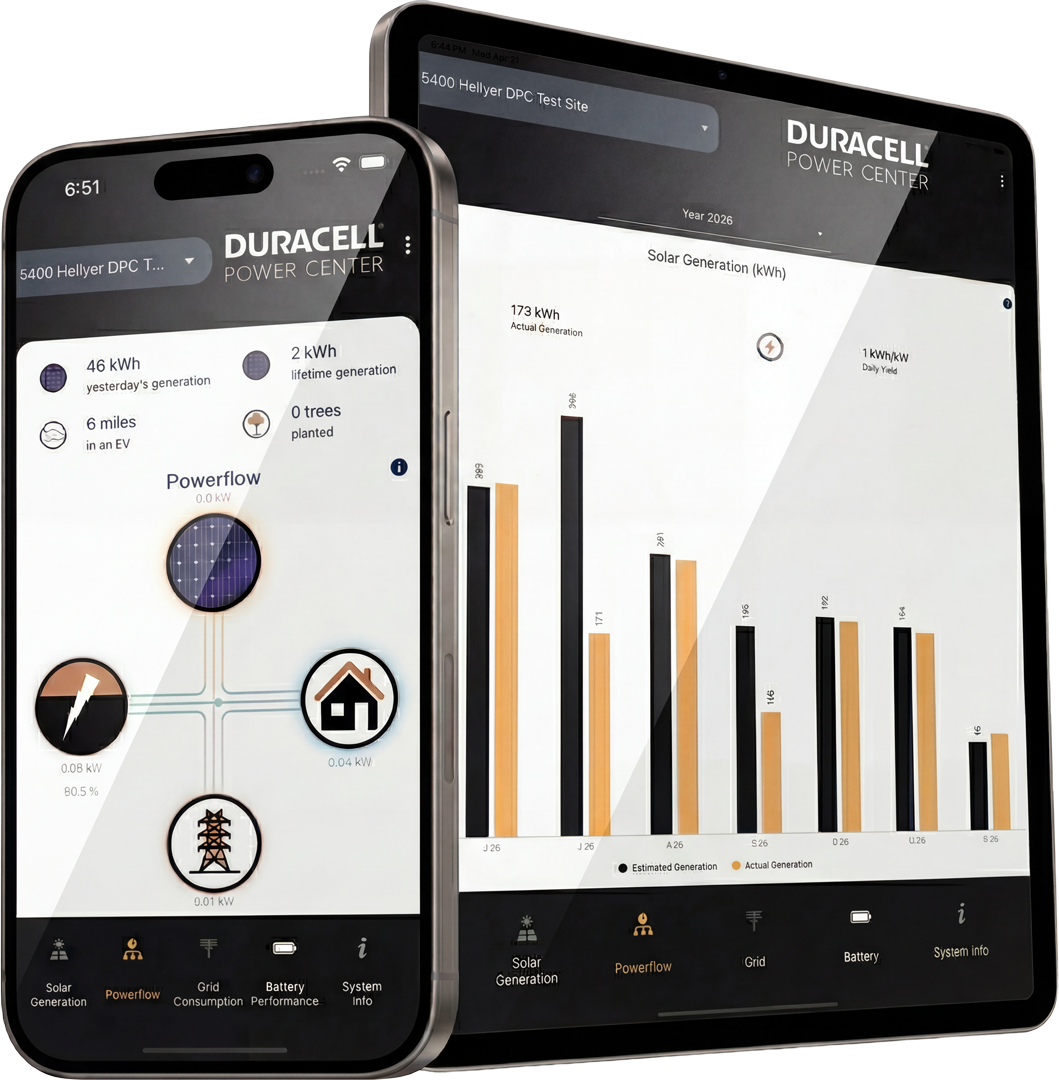
Duracell Power Center’s MAX HYBRID ESS is built to support this conversation from system design through commissioning and beyond.