

Home battery backup is becoming a much more common topic for homeowners, especially as electric bills rise, outages become more disruptive, and more families add solar, EVs, heat pumps, and smart appliances.
But growing interest also brings growing confusion.
Some homeowners think batteries are only for people with solar. Others assume a battery can power every appliance indefinitely. Some believe generators are always the better backup option. And many are not sure whether battery storage is about saving money, surviving outages, using more solar power, or all of the above.
Home battery storage isn’t one-size-fits-all. The right system depends on your home, energy use, backup priorities, and goals.
Let’s clear up some common misconceptions.
Misconception #1: A Home Battery Is Only for Power Outages
Backup power is one of the biggest reasons homeowners consider a battery system, and for good reason. When the grid goes down, stored energy can help keep essential systems running, such as lights, refrigeration, Wi-Fi, security, medical devices, well pumps, sump pumps, and selected heating or cooling equipment.
But outage protection is only part of the story.
A home battery can also help you use energy more intelligently every day. If you have solar, a battery can store excess solar power produced during the day and make it available later, such as in the evening when the sun goes down. In areas with time-of-use electricity rates, a battery may also help reduce reliance on grid power during higher-cost peak periods.
So yes, a battery can help during an outage. But it can also help your home operate more efficiently when the grid is working normally.
Misconception #2: You Need Solar Panels to Have a Battery
Solar plus storage is a powerful combination, but you don’t always need solar to benefit from battery backup.
You can install a battery as part of a new solar implementation, add it to existing solar panels, or use it as part of a broader home energy strategy. The best configuration depends on the home and the homeowner’s goals.
That said, pairing a battery with solar can offer important advantages. During the day, solar panels can help recharge the battery, which may extend backup capability during longer outages. Solar can also help homeowners store more of the energy they produce instead of sending it back to the grid.
The key point is this: solar can make a battery system more powerful and flexible, but homeowners shouldn’t assume battery storage is off the table simply because they don’t yet have solar.
Misconception #3: A Battery Will Power Everything Forever
This may be the biggest misunderstanding.
A home battery stores a finite amount of energy. How long it lasts depends on what you choose to power. A refrigerator, LED lights, Wi-Fi router, and phone chargers use much less energy than central air conditioning, electric resistance heat, EV charging, electric water heating, or a clothes dryer.
That does not mean larger loads cannot be backed up. It means the system should be designed intentionally.
Some homeowners want essential-load backup, focused on the systems that matter most during an outage. Others may want more comprehensive backup that supports larger appliances or more of the home. Both approaches can make sense, but they require different system designs.
The right question is not simply, “How long will the battery last?”
The better question is, “What do I need my home to keep doing when the grid goes down?”
Misconception #4: Generators Are Always the Better Backup Solution
Generators have provided backup power for decades, and they can deliver substantial power when properly installed and fueled. But they also come with trade-offs.
Generators typically require fuel, maintenance, ventilation, and safe operating conditions. They can be noisy, produce exhaust, and may depend on fuel availability during storms, wildfires, or other emergencies.
Battery storage offers a different kind of backup experience. It is quiet, automatic, and requires no on-site fuel combustion. When paired with solar, a battery system may also recharge during daylight hours.
The best choice depends on the homeowner’s needs, but it is no longer accurate to assume a generator is the default answer for every home. For many families, battery backup offers a cleaner, quieter, and more modern alternative.
Misconception #5: All Home Batteries Are Basically the Same
To a homeowner, battery systems may look similar from the outside. But meaningful differences can exist in system design, storage capacity, scalability, solar integration, backup capability, controls, installation flexibility, and how the system fits into a home’s electrical setup.
Some systems are designed primarily for limited essential-load backup. Others are built for more flexible solar-plus-storage applications. Some homeowners may need support for larger loads, while others care most about maximizing solar use or reducing peak-rate grid consumption.
This is why the installer conversation matters. A good design starts with understanding the home: utility rates, solar production, backup priorities, electrical loads, outage history, and plans such as EV charging or electrification.
A battery is not just a product. It is part of a home energy system.
Misconception #6: Battery Backup Is Only for People Who Have Frequent Outages
Frequent outages make the value of backup power obvious. But even homeowners who rarely lose power may still benefit from storage.
Why? Because the grid is changing. Utility rates are becoming more complex. More homeowners are adding solar and electric appliances. Peak demand is putting more pressure on the grid. And even one extended outage can be highly disruptive if it affects work, food storage, medical needs, security, heating, cooling, or water access.
A battery system is not only about how often the power goes out. It is about how much it matters when it does.
For some households, one major outage is enough to justify having a better plan.
Misconception #7: Installing a Battery System Is Too Complicated
Home energy systems do require proper design and professional installation. But that does not mean the process has to be overwhelming for the homeowner.
A qualified installer can help determine what to back up, how much storage is appropriate, whether the system should connect to solar, and how the battery will fit into the home’s existing electrical setup.
For homeowners, the most important step is clarifying priorities. Do you want to keep the refrigerator, Wi-Fi, lights, and security system powered? Do you need a well pump or sump pump? Is heating or cooling a priority? Are you trying to reduce peak-rate electricity use? Do you plan to add solar or an EV charger later?
Clear answers lead to better system design.
Why Duracell Power Center Fits the Conversation
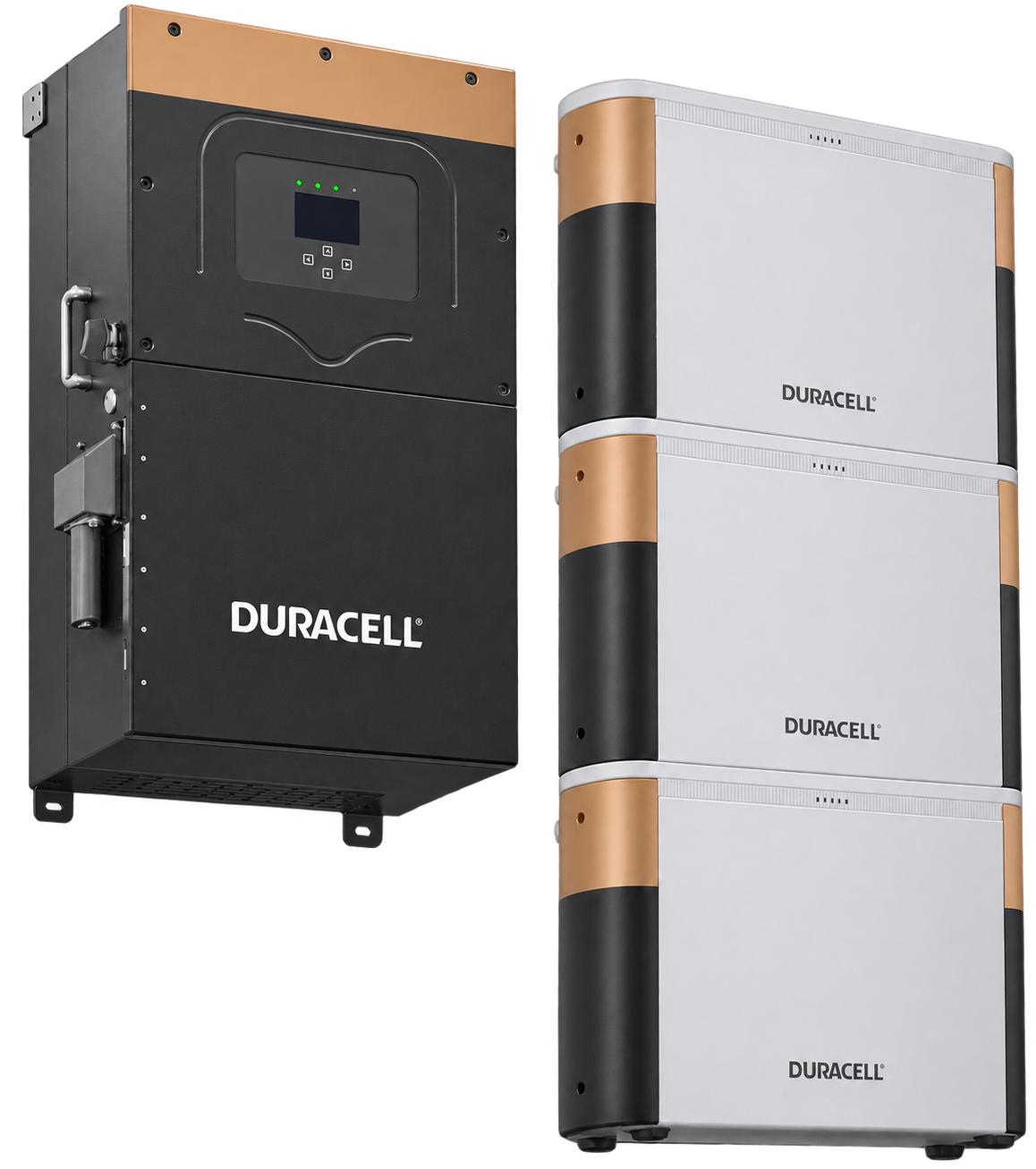
Duracell Power Center’s MAX HYBRID ESS helps homeowners think about battery storage the right way: not as a generic backup box, but as part of a smarter home energy strategy.
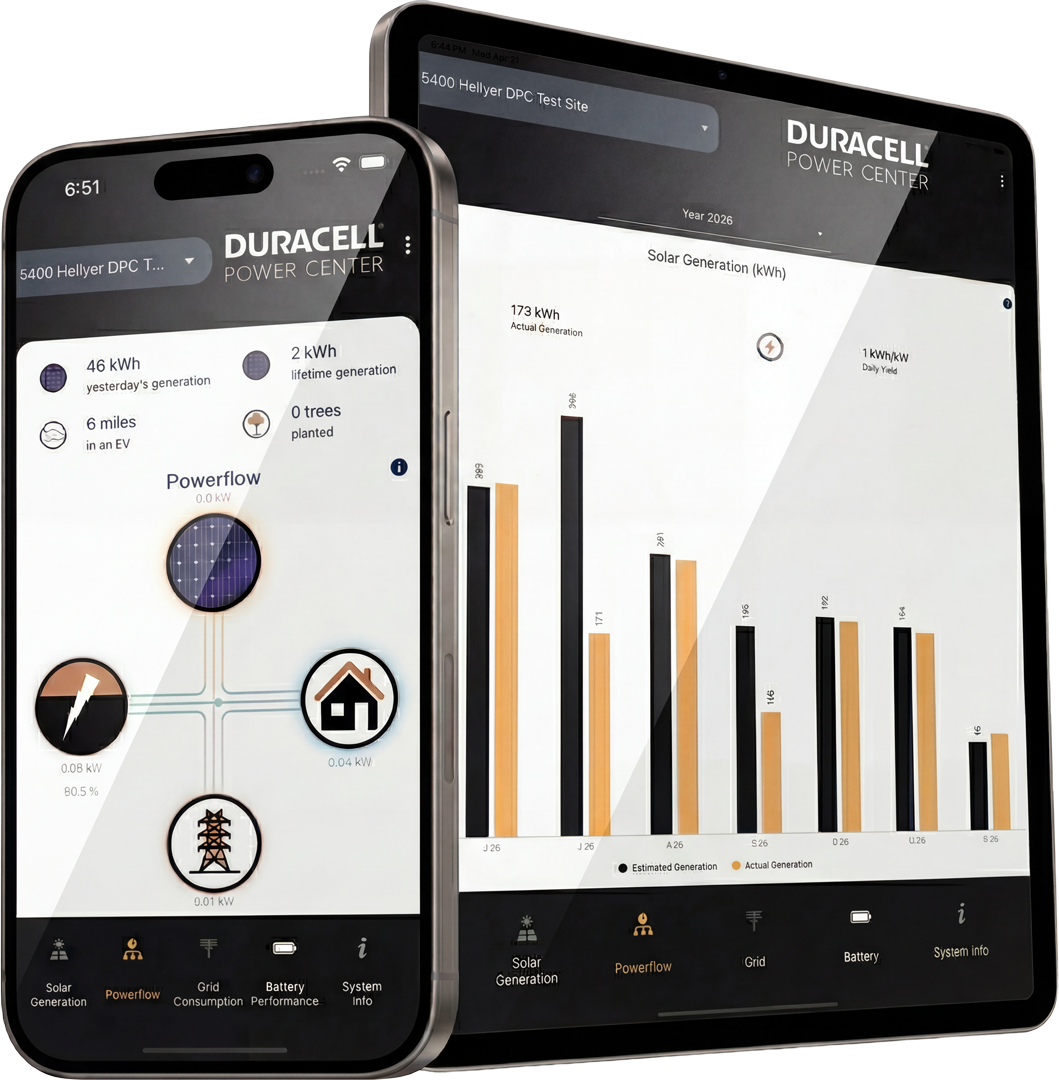
With solar integration, modular battery storage, smart energy controls, and reliable backup capability, Duracell Power Center systems are designed to support the way homeowners live. For some families, that means keeping essential systems running during outages. For others, it means storing more solar energy, reducing grid dependence, or preparing for a more electric future.
The biggest misconception may be that battery backup is only about emergencies.
In reality, home battery storage is about control.
Control over what stays powered. Control over how you use solar energy. Control over how your home responds when the grid becomes less predictable.
And in today’s energy world, that control matters more than ever.
Ready to design backup power that fits how your home actually works? Talk to Duracell Power Center.